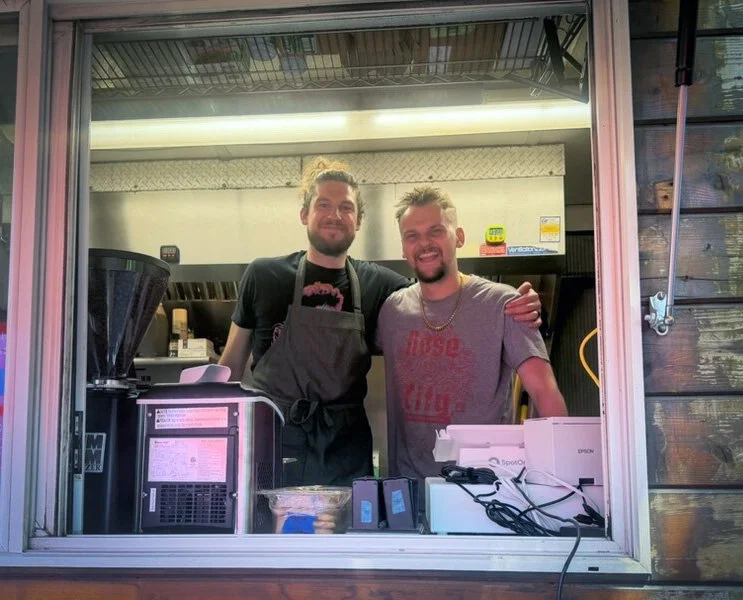
Bialy Buzz is a small food cart in Sellwood with a probably unreasonable obsession: the bialy.
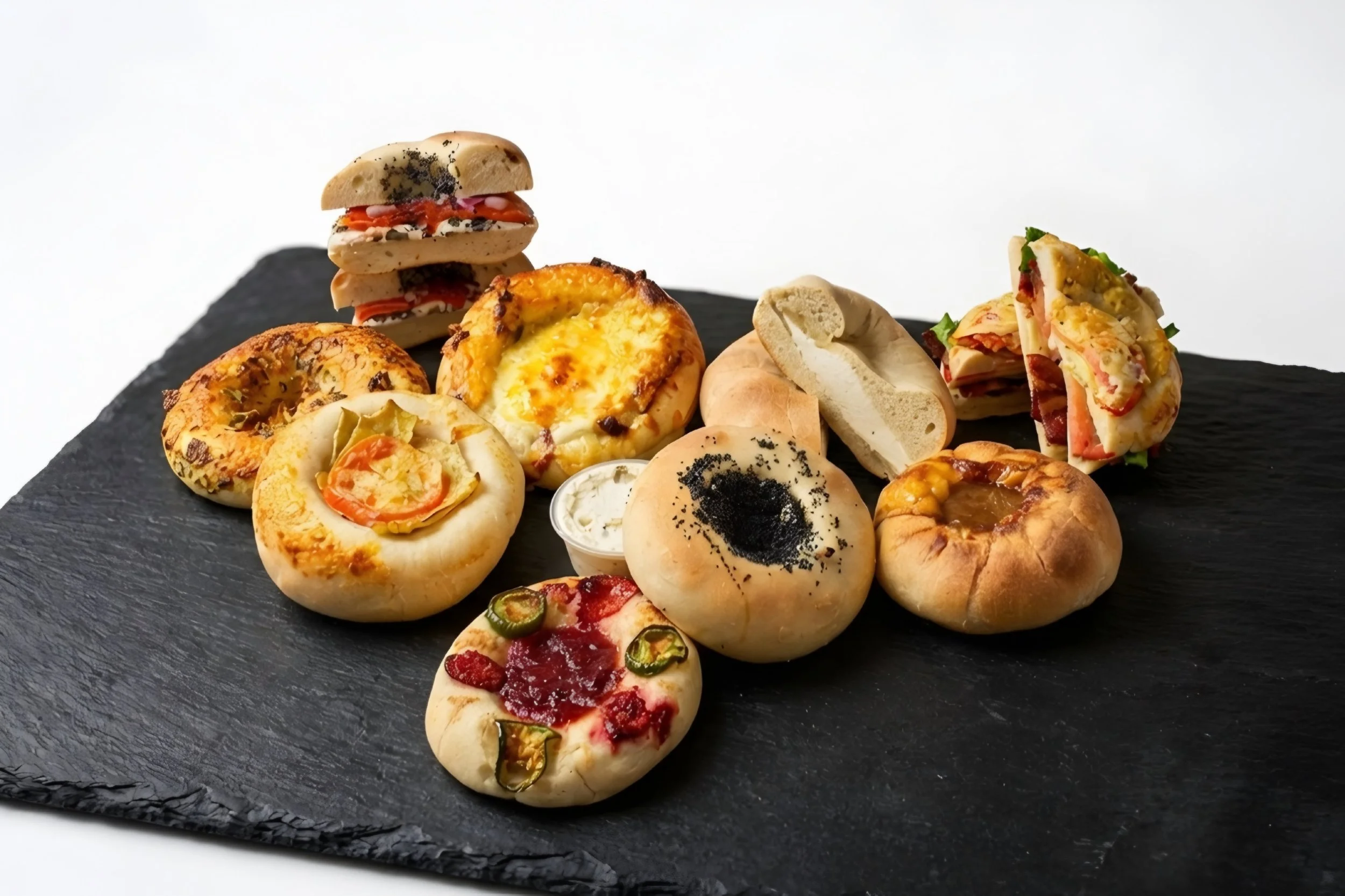
Not the bagel. Not a bagel with a PR problem. A bialy — chewy, warm, oniony, old-world, underappreciated, and dangerously good when treated with a little respect.
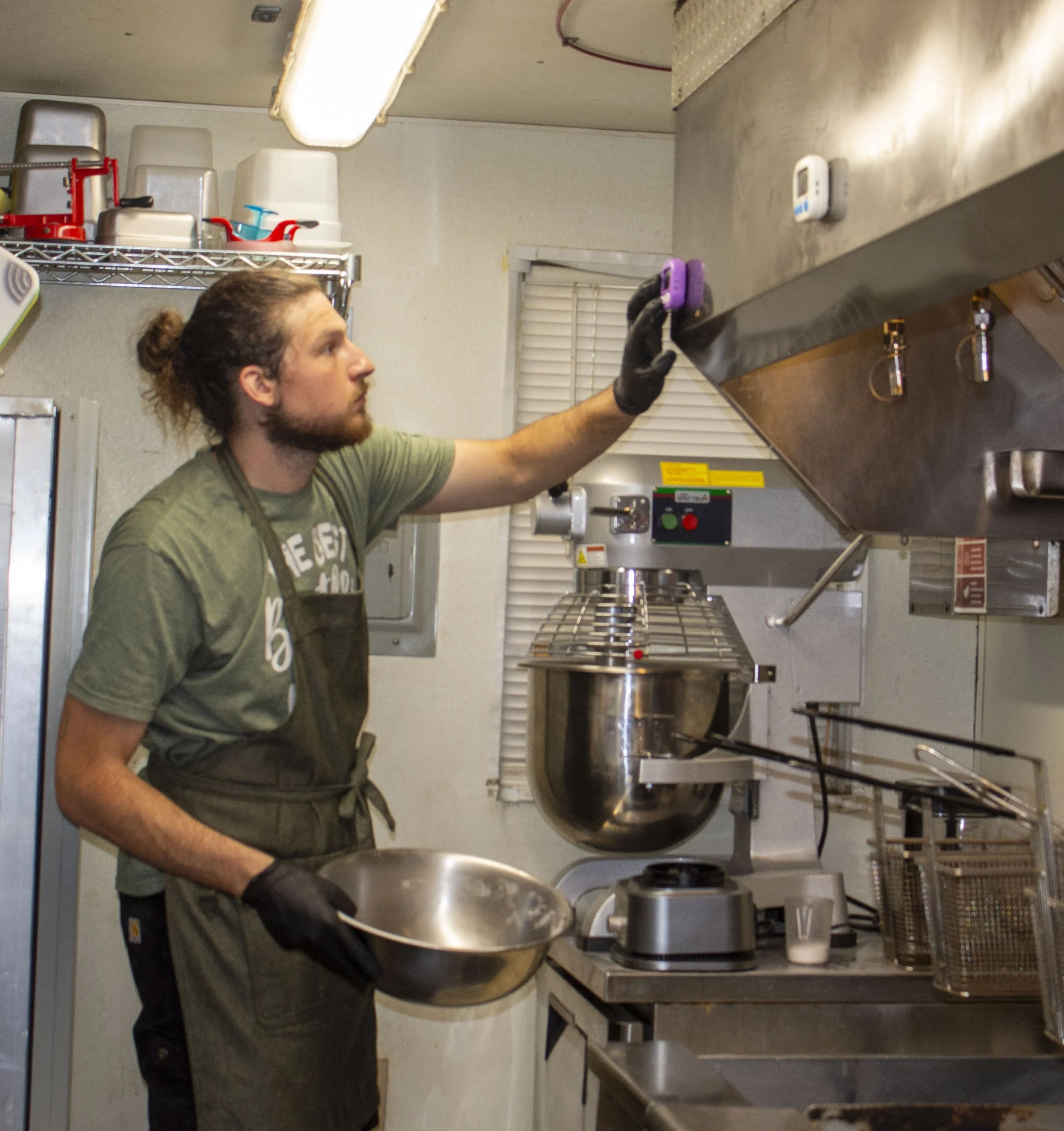
Co-founded by Maxwell Davis and Alexx Skyy, Bialy Buzz makes fresh NYC-style bialys with the soul of a Jewish deli and the nervous system of a Portland food cart. We make our dough fresh daily, bake the classics, and then occasionally lose our minds in the best possible way — bacon egg’n’cheese baked into the bialy, wild specials, breakfast sandwiches, lunch bites, house spreads, hot sauces, and whatever else the little well in the middle seems to be asking for.
To understand the bialy, you have to understand that New York did not invent it — New York inherited it, argued with it, fed it to cab drivers, garment workers, grandmothers, night owls, and children sent downstairs with a few coins and very specific instructions. The bialy begins in Białystok, Poland, as Bialystoker kuchen, the bread of a Jewish city and a Jewish appetite: practical, local, communal, eaten with frequency and without fuss. In New York, especially on the Lower East Side, it became one of those immigrant foods that carried more than flavor. It carried address, memory, labor, language, loss, and survival. The bagel became famous. The bialy stayed more private — the thing you knew if you knew, flour-dusted and onion-sweet, a small edible archive of Eastern Europe baked into the daily life of New York.
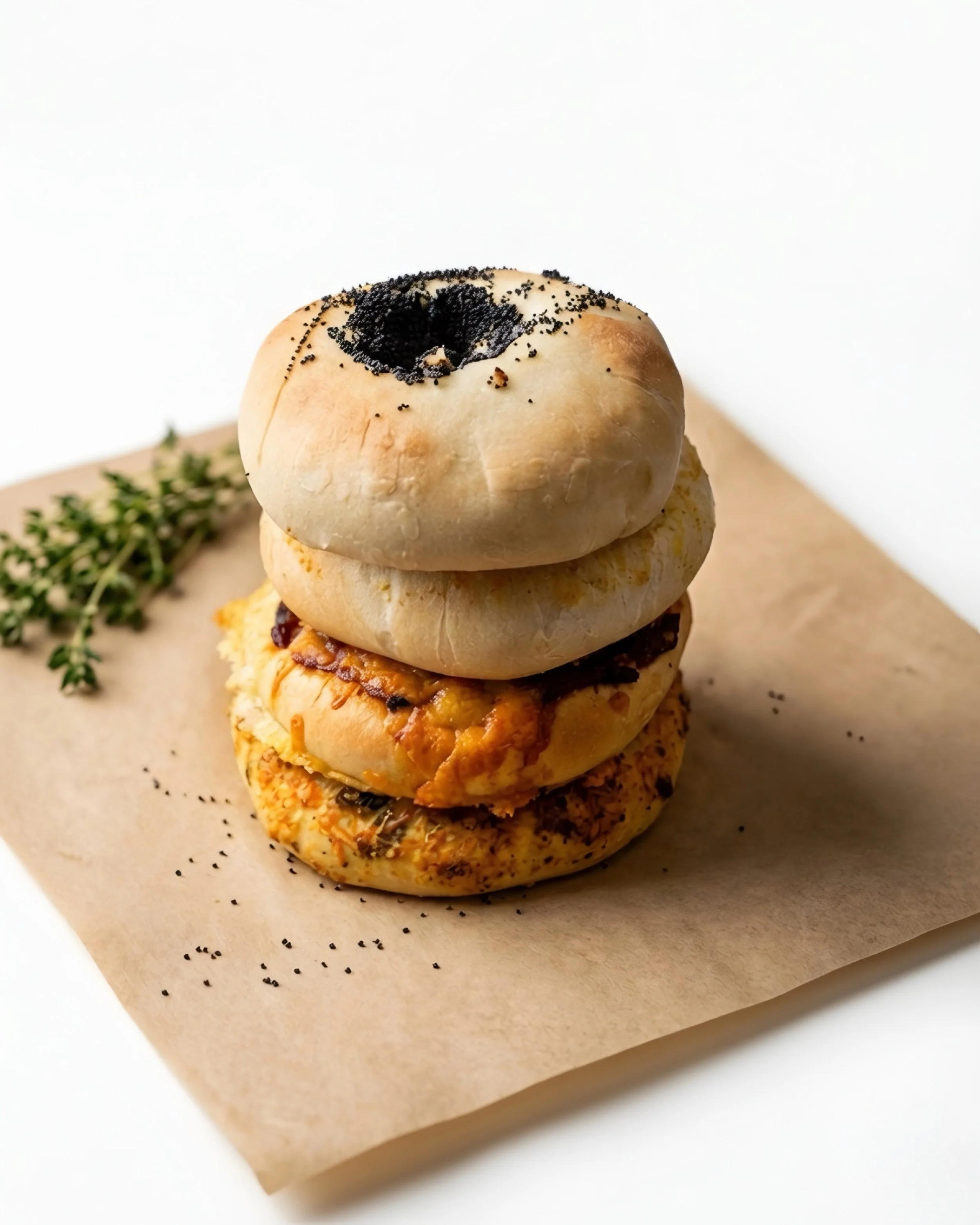
At Bialy Buzz, we start with the classic idea: fresh dough, baked daily, treated with respect. Then we let Portland do what Portland does, which is take a good old thing and ask, lovingly, “What else can this be?” So yes, we make the traditional onion-and-poppyseed bialy. We also make baked-in breakfast bialys, wild specials, sandwiches, house cream cheeses, house compotes, sauces, spreads, and the sort of things that make purists nervous until they take a bite and get quiet.
The bialy is built for this. That little well in the middle is not just a topping zone. It is an invitation. Onion, egg, cheese, bacon, smoke, sweetness, heat, cream cheese, lox, tomato, aioli, whatever the day calls for. It can be breakfast. It can be lunch. It can be something you eat standing up next to a food cart while pretending you were only going to take one bite.
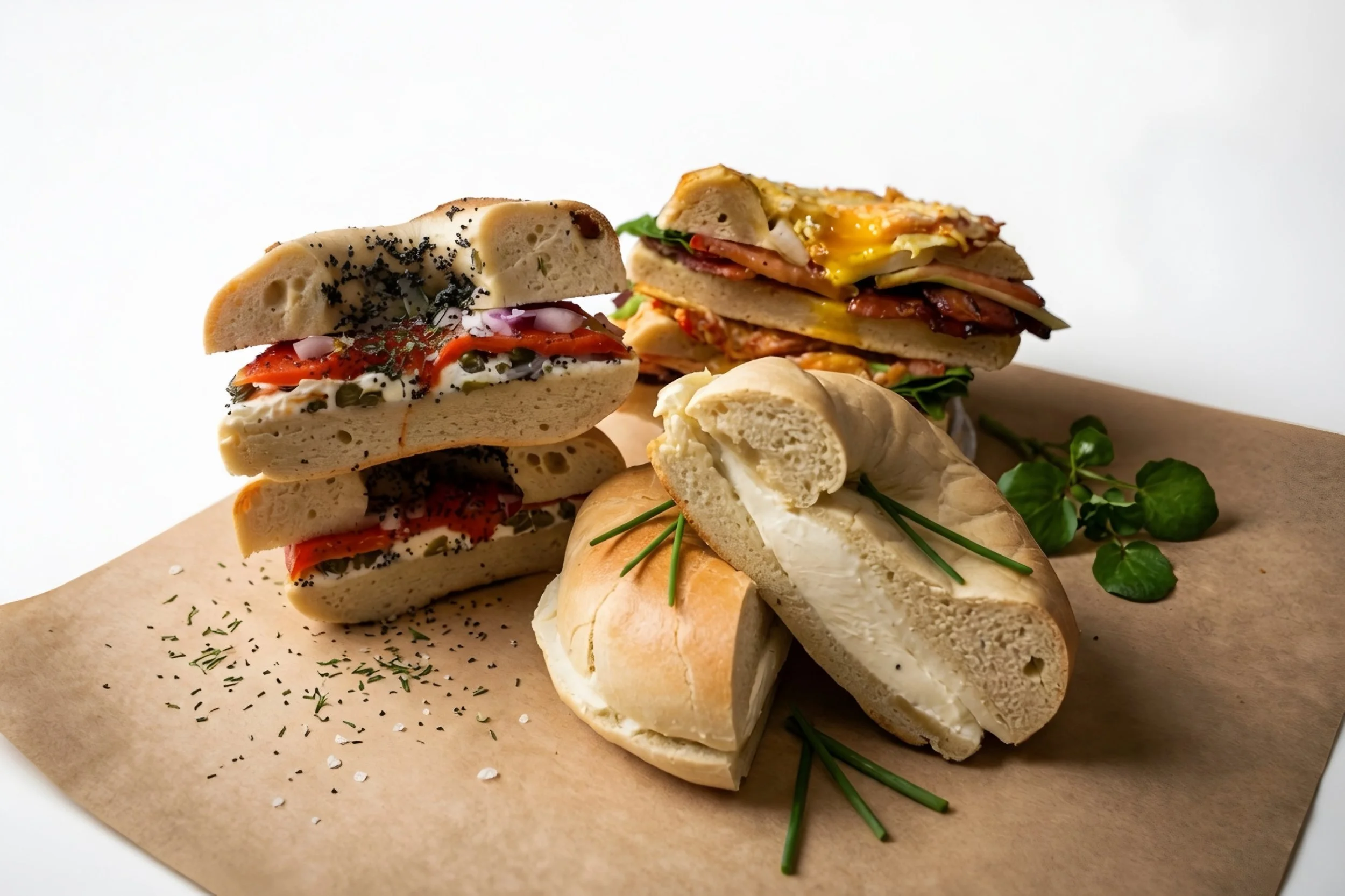
For the uninitiated: a bialy is not boiled like a bagel. It is baked. It is flatter, softer in the middle, chewy around the edges, and traditionally finished with a small depression filled with onion and poppy seed. It comes from Bialystok, Poland, traveled with Jewish immigrants, found a home in New York, and somehow never got the loud, obnoxious publicist the bagel did. That may be part of the charm.
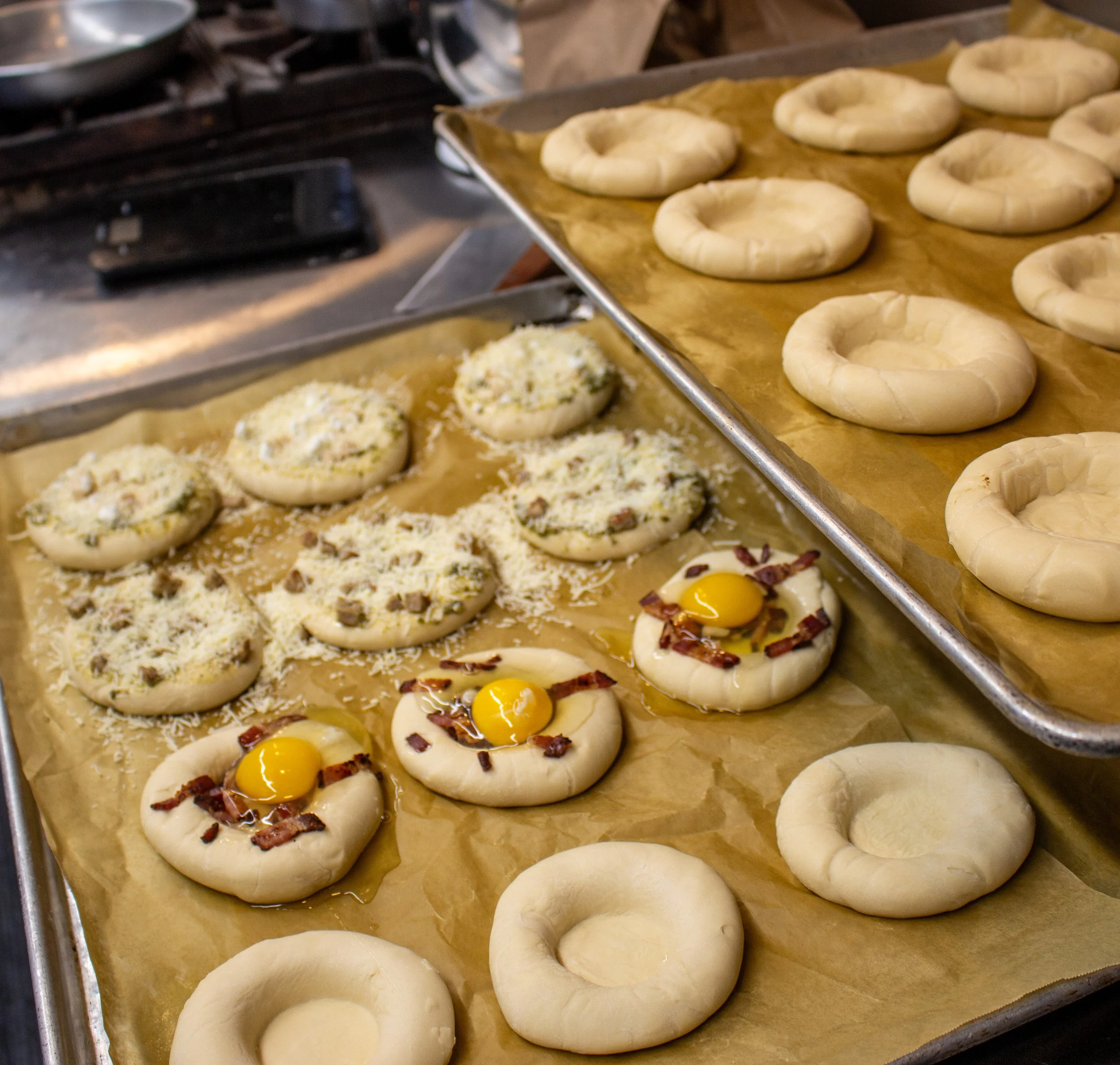
A good bialy does not need to shout. It has pull. It has chew. It has that warm bakery smell that makes you suddenly remember you have a soul. The center should be savory, the edge should give you something to bite into, and the whole thing should feel like it came from a place where people actually cared about bread before bread became a lifestyle accessory.
We care about that part.
And then there is the espresso.
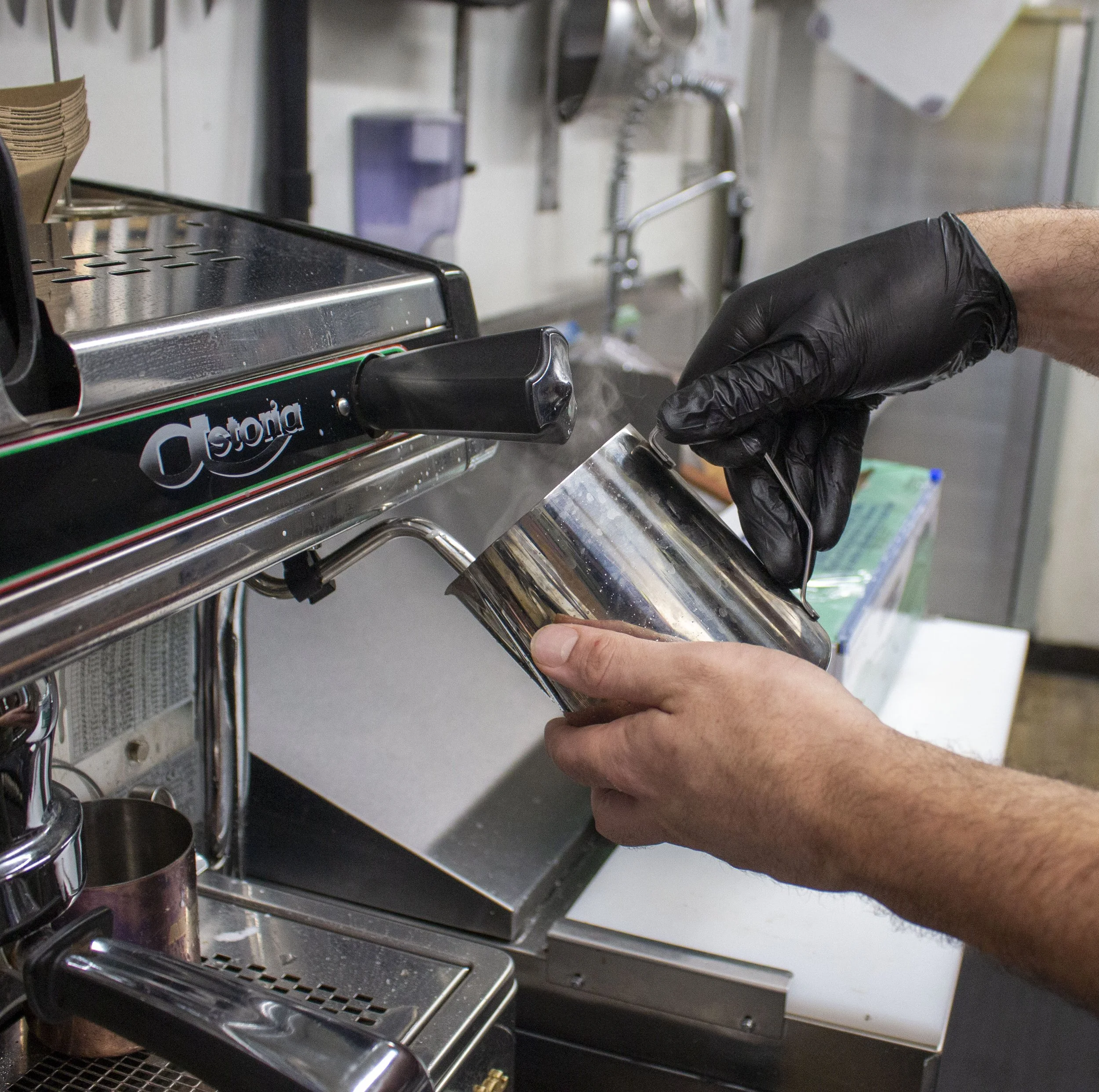
Because bread this good deserves coffee with a backbone. We serve drinks from the cart because mornings are hard, lunch is short, and sometimes the correct answer is a warm bialy in one hand and a serious espresso in the other. No ceremony. No nonsense. Just good coffee, pulled with care, built to wake you up and keep the whole operation buzzing.
It’s humble food. It’s skilled food. It’s flour, water, onions, heat, patience, and a good idea that somehow survived long enough to land in Sellwood.
Come hungry. Try the classic. Try the weird one. Buy a bialy. Tell a friend. Argue with us later.